

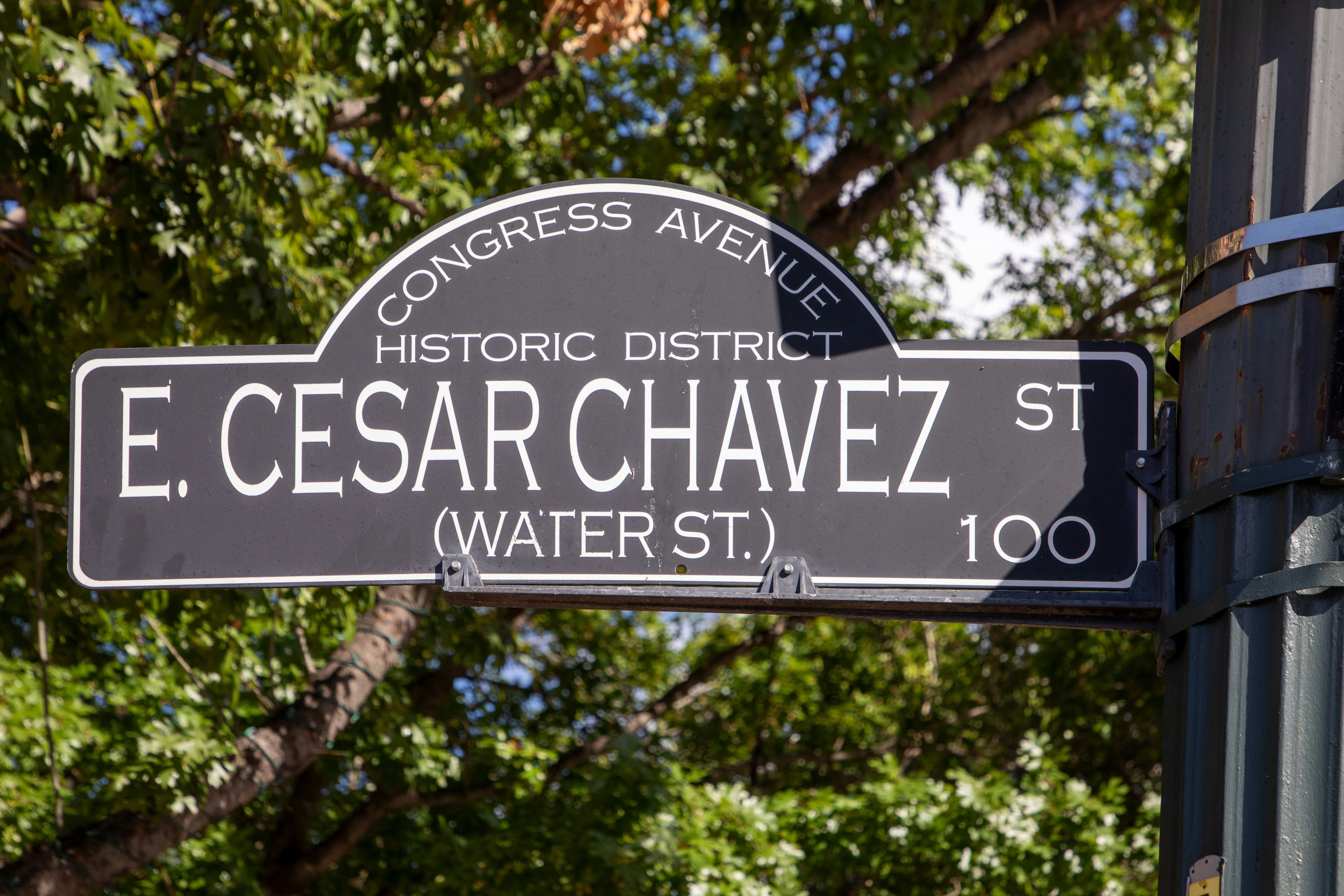
The story is now a familiar one: Famous and beloved man was, it turns out, a rapist and misogynist. No one knew; everyone knew. Cue big public conversation about what it means for that man’s work and legacy. “People are complicated,” someone will write. “He was a monster and there’s nothing complicated about that,” will come the retort. This time, the man is Cesar Chavez; the work is the farm labor movement. The story is a horror: Raping children, raping his most famous collaborator Dolores Huerta — who became pregnant, twice, and placed her children to be raised in other families.
Huerta’s statement and the write-up of her story are both worth a read. She makes the point that it wasn’t just (“just”) the sexual violence that was the problem; it was a pervasive culture of misogyny that infused every aspect of the organization, and helped to build the wall of silence around Chavez’s abuses.
This part of the Times write-up of her story particularly struck me:
Ms. Huerta said she viewed Mr. Chavez as a contradictory figure when it came to women. He believed in promoting them, she said, but only so far.
Women ran the credit union, the clinic, the field offices. They were trusted with the operational machinery of the movement. But making the decisions that shaped the union’s direction, she said, remained out of reach. “Cesar believed in promoting women as leadership, not at the policy level, but at the work level,” she said.
It was, she suggested, a reflection of something deeper. “Women are not seen as human beings. We’re just seen as sex objects. I think it’s an illness.”
This section struck me because it sounded so familiar — not just about various movements, but about traditional family life and the lies we tell ourselves about power.
I cannot tell you how many times I’ve heard people reframe women’s oppression as some sort of “real” but unrecognized power. Most of the time this comes when talking about women who are stay-at-home wives and mothers in traditional families. The claim, inevitably, is that Dad may be the one with the paycheck, but Mom is really in charge: She makes decisions for the family, is its emotional center, is the Chief Operating Officer. “She’s the boss!” husbands smirk. My mom was the one who was really in charge, adult children assure themselves.
It’s bullshit. And this insistence on eclipsing where real power lies and how real power manifests is precisely why men like Chavez got away with horrific crimes, and with many smaller indignities and acts of misogyny. This denial of small-time interpersonal misogyny is how we get denials of horrific abuses — a good man would never believe himself to be more powerful than his wife; a good man would never harm the girls and women around him; being honest about what we see in front of us would create a fissure in a good family, bring down a good movement.
